Open Today: 12 PM - 6 PM

Ryan

Page 2

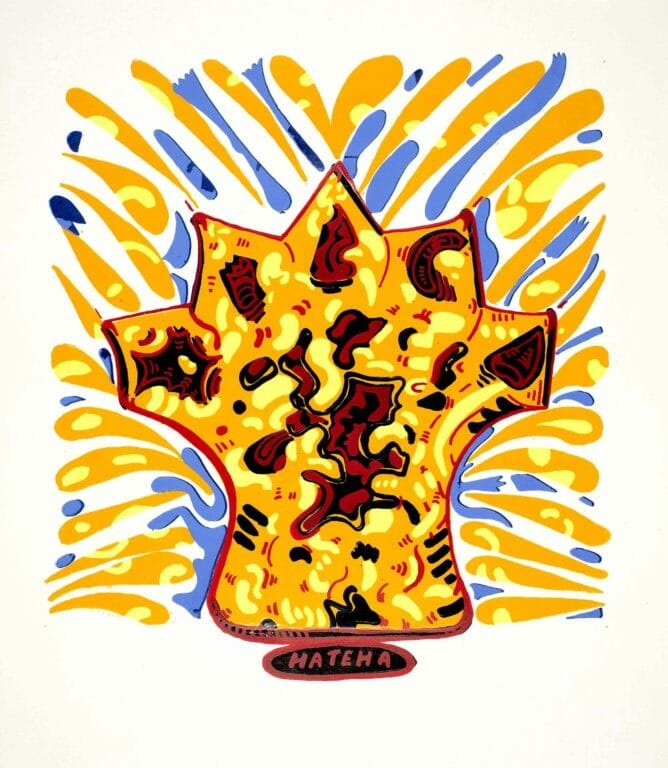
James Falconer

Thick swathes of blue, orange, yellow, red, and black burst forth in James Falconer’s Hateha. Streaks of orange with yellow highlights and blue with thin black outlines explode like fireworks from behind the unfamiliar central shape.
Read More
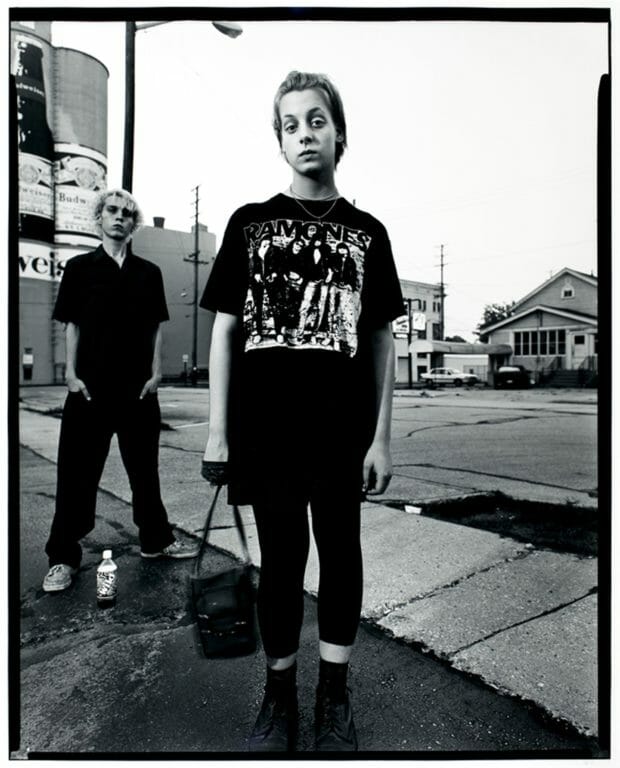
J. Shimon & J. Lindemann, Trish and Matt Downtown, Manitowoc, Wisconsin , 1995. Gelatin silver print, 34 x 27 inches. Collection of the Madison Museum of Contemporary Art. Purchase, through funds from the Brittingham Foundation. © J. Shimon & J. Lindemann.

J. Shimon & J. Lindemann

In John Shimon and Julie Lindemann’s black-and-white photograph, a young man and woman pose for a photograph captured using techniques from the past.

Read More
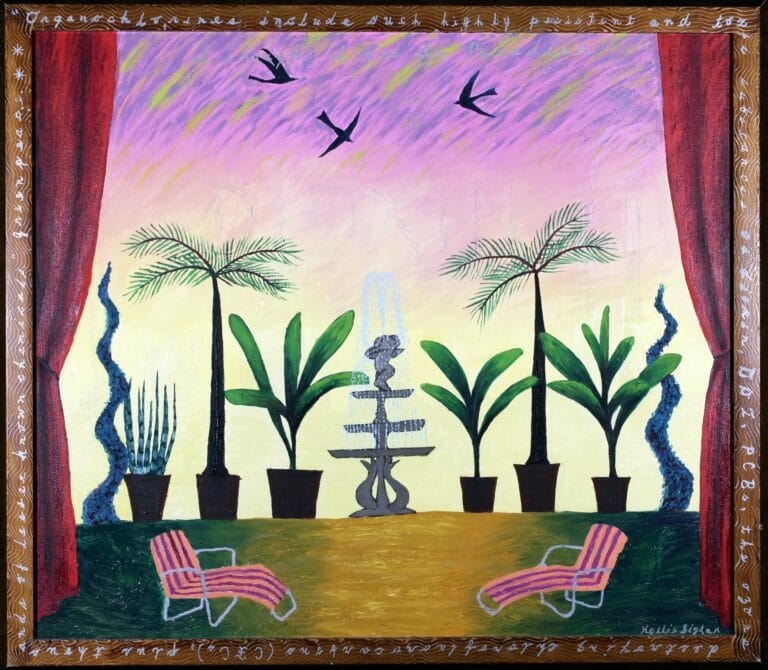
painted illustration featuring two pool chairs, a row of trees in pots, a fountain, and birds. the scene is framed by stage curtains.

Hollis Sigler

At first glance this colorful scene appears idyllic. Lawn chairs with matching fuchsia and orange stripes recline near a path of light. The lemon sky is turning orange and pink, with streaks of purple and lime.

Read More
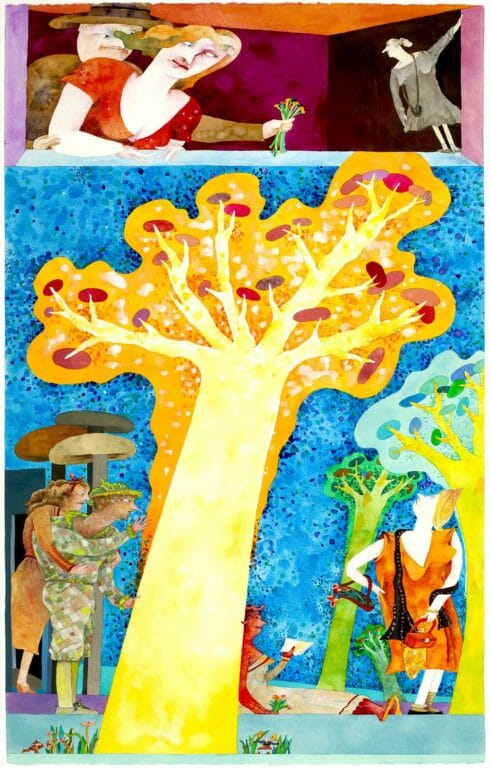
Gladys Nilsson, Some Other Tree, 2001. Watercolor and gouache on paper, 40 x 25 inches. Collection of the Madison Museum of Contemporary Art. The Bill McClain Collection of Chicago Imagism.

Gladys Nilsson

Some Other Tree and Sites Unscene display Gladys Nilsson’s delight in creating puzzling spaces crowded with interacting figures, and scenes where sizes of people and objects defy natural proportions.

Read More
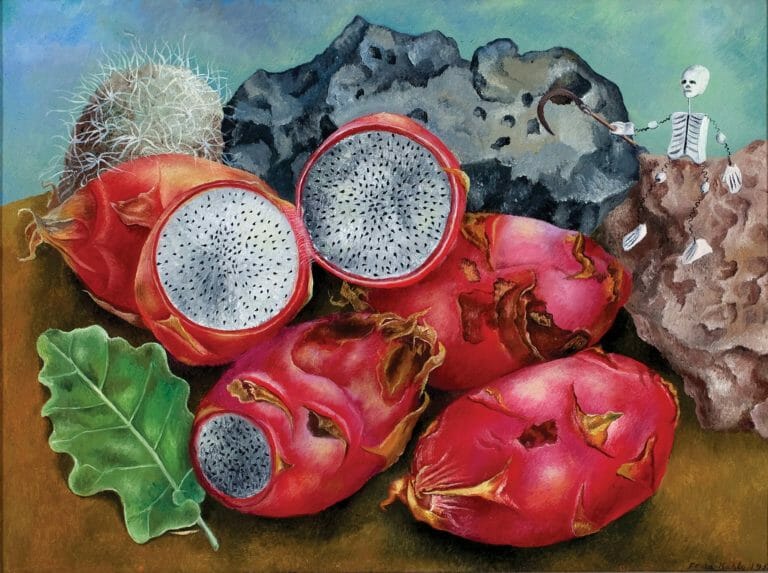
Frida Kahlo, Pitahayas, 1938. Oil on aluminum, 10 x 14 inches. Collection of the Madison Museum of Contemporary Art. Bequest of Rudolph and Louise Langer. © 2013 Banco de México Diego Rivera Frida Kahlo Museums Trust, Mexico, D.F. / Artists Rights Society (ARS), New York.

Frida Kahlo

Frida Kahlo painted Still Life: Pitahayas in 1938 when she was thirty-one years old. It was painted with oil on aluminum, the traditional materials used in Mexico for religious altar paintings, known as ex-votos and retablos, which a supplicant would offer to a saint to acknowledge an answered prayer.

Read More
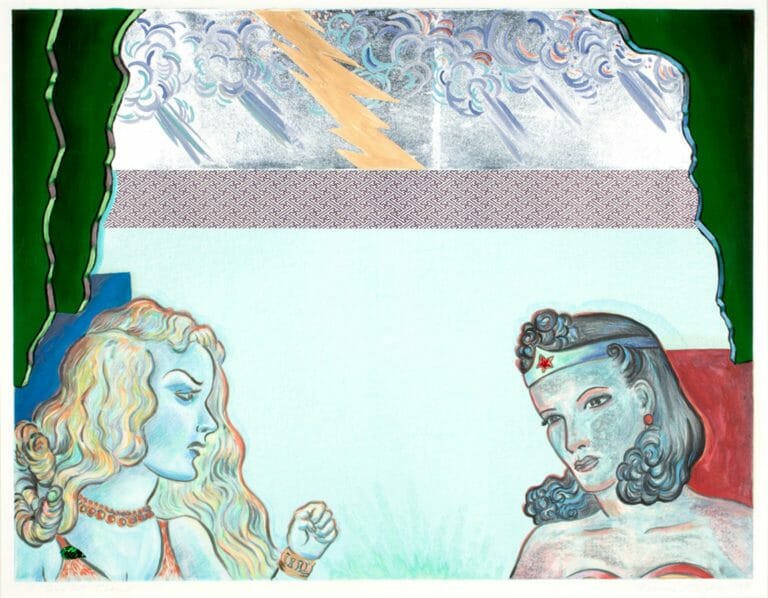
Frances Myers, A One Act Play , 1984. Aquatint with hand-coloring, collage, and monoprint. 30½ x 35½ inches. Lent by Warrington Colescott

Frances Myers

In A One Act Play, the familiar comic book hero Wonder Woman is confronted by another female character whose blonde hair, beaded necklace, and wrist cuff help identify her as Wonder Woman’s major adversary Queen Clea, ruler over parts of the underwater world of Atlantis.

Read More
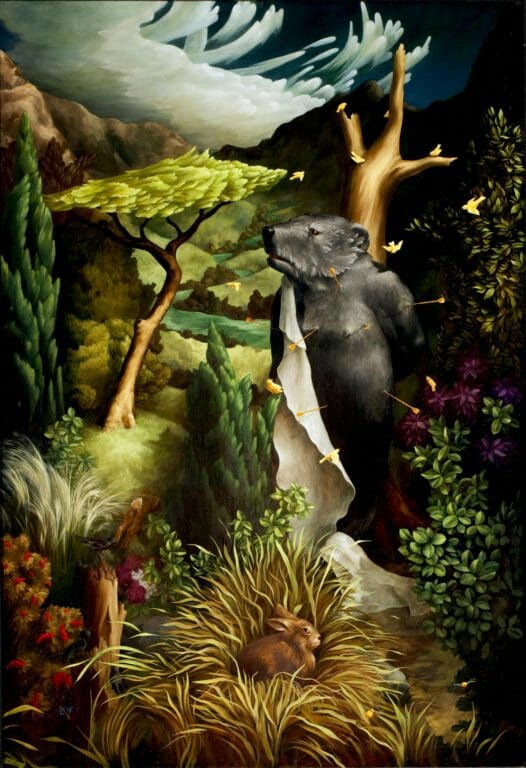
Erik Weisenburger, Ursa Memoriam , 1998. Oil on panel, 33¾ x 23 inches. Collection of the Madison Museum of Contemporary Art. Purchase, through Rudolph and Louise Langer Fund.

Erik Weisenburger

At once beautiful and mysterious, the paintings of Erik Weisenburger enchant viewers with their luscious color and intricate detail. Upon first glance, his painting Ursa Memoriam may recall traditional still-life or historical painting, but closer inspection reveals a contemporary voice that presents timeless subjects in new contexts.

Read More
An artwork consisting of four panels, each representing a season through still-life images and other vignettes.

Ellen Lanyon

In Ellen Lanyon’s 1982─83 painting Chromos: Winter I, Autumn II, Spring III, Summer IV, four separate canvases function together as a single work of art that depicts the four seasons. Though Lanyon uses distinct colors and symbols to represent the individual seasons, she links the four separate paintings into a coherent whole by repeating the same motifs.

Read More
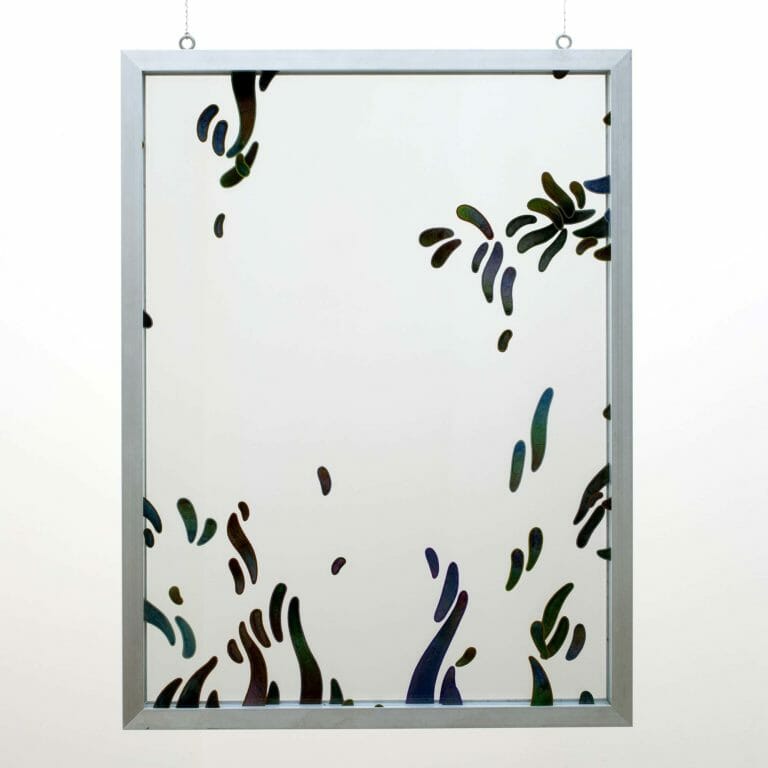
Ed Flood, Aluminum Floater #2, 1974. Acrylic on Plexiglas with aluminum frame, 31 7/8 x 24 5/8 inches. Collection of the Madison Museum of Contemporary Art. The Bill McClain Collection of Chicago Imagism.

Edward Flood

Ed Flood’s Aluminum Floater #2 is made from layers of Plexiglas in an aluminum frame. The artwork’s transparency causes its environment to be part of the composition. Organic shapes resembling seaweed, or perhaps amoebae or other microscopic life forms, seem to emerge from the edges of the frame and wriggle across the surface.

Read More
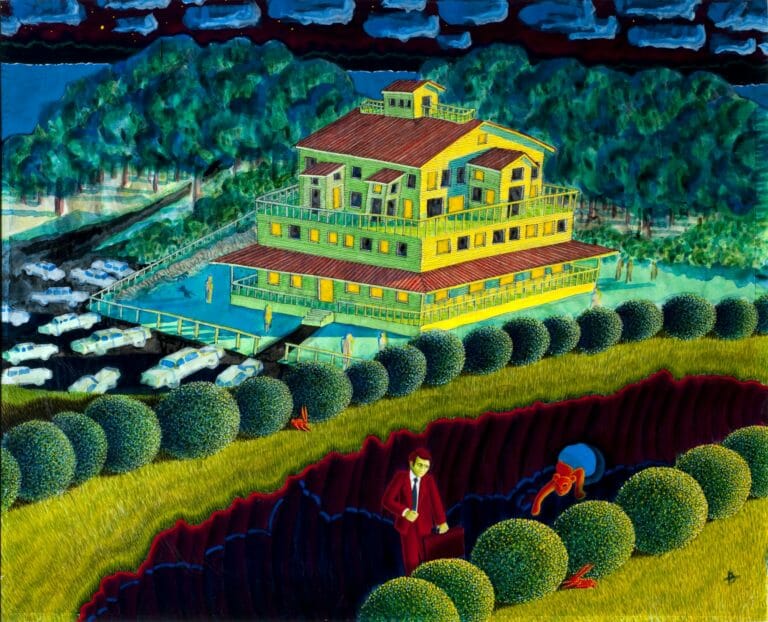
Duane Brissette Moonrise

Duane Brissette

In Moonrise, an apparently festive occasion—people arriving at a brightly lit pavilion for a night of dancing—forms the backdrop for a potentially dangerous encounter. The action takes place in the bucolic surroundings of a lakeside resort.

Read More

We use cookies on this site. By continuing to browse without changing your browser settings to block or delete cookies, you agree to our Privacy Policy.

Privacy Policy