Rooftop Cinema 2011
Friday, August 19 · 9:30 pm
Bring a friend, bring a blanket or camp chairs, and prepare yourself for an evening of avant-garde films and videos under the stars. Rooftop Cinema returns for its sixth season in the Madison Museum of Contemporary Art's rooftop sculpture garden. August 19 is the last of four evenings of films by independent filmmakers. Beverages may be purchased on the rooftop from Fresco. Rooftop Cinema is free for MMoCA members/$7 per screening for the general public. Screenings begin after sundown, and tickets are available from the lobby reception desk beginning at 8 pm. The screenings relocate to MMoCA’s lecture hall if rain is predicted.
August 19
Animating the Apocalypse:
Community, Consumption, and the End of the World As We Know It
The allure of animation for storytellers is its ability, as with science fiction, to depict whole worlds that lack any limits about how things must look, behave, or react. In essence, animation is the perfect vehicle for parable. And, strikingly, over 80+ years and across numerous cultures, animated parables frequently have examined the issue of environmental apocalypse. While "apocalypse" conjures images of doomsday and carnage, environmental parables more often focus on the aftermath rather than the event itself.
And across the decades and many different cultures, these animated tales consistently identify "consumption" as the common root cause for our imminent destruction. Indeed, whether our specific downfall comes from use of military power, overreliance upon scientific technology, competition for scarce resources, the loss of independent thought, or ecological change, these parables of environmental apocalypse warn that our loss of community (with one another and with our places) affects our consumption of natural resources, in turn accelerating our loss of community and hastening the end of the world as we know it.
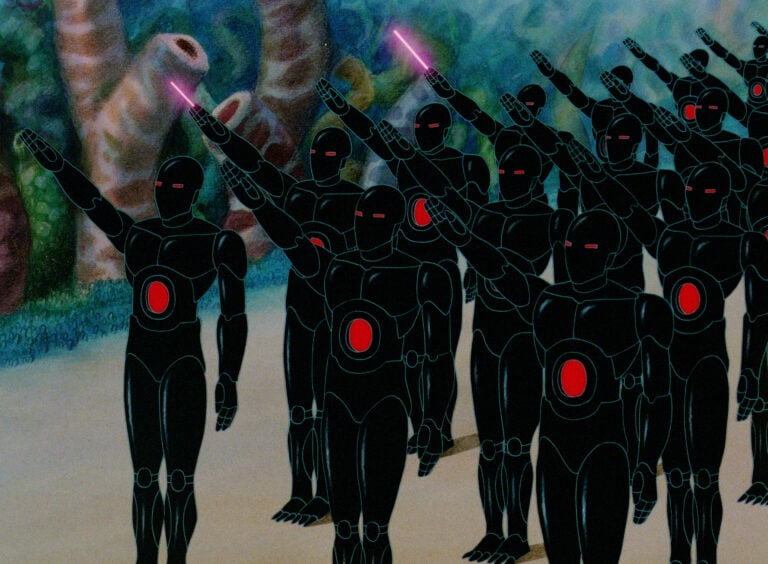
Good Will To Men (1955, Dir. William Hanna and Joseph Barbera, U.S., 9 min.) – A nearly shot-for-shot remake of the Nobel-nominated short Peace on Earth, this Academy Award nominee imagines a post-nuclear future in which only animals survive to reclaim the land.
Grasshoppers/Cavallette (1990, Dir. Bruno Bozzetto, Italy, 9 min.) – This short relates the history of human civilization with a not-so-subtle message about the inevitable collapse of human societies and the return of nature in the end. Academy Award nominee.
Rocks (Das Rad) (2003, Dir. Chris Stenner, Arvid Uibel, and Heidi Wittlinger, Germany, 8 min.) – This innovative Academy Award nominee conceptualizes geological versus human time as witnessed by two anthropomorphized rocks observing the wheel’s effect on the speed of human civilization.
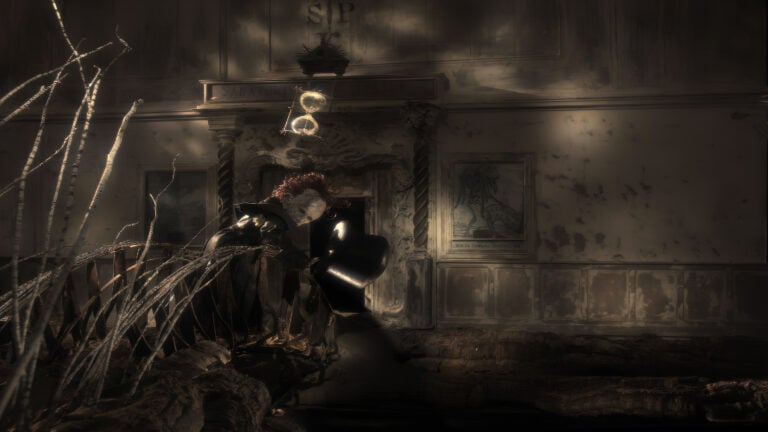
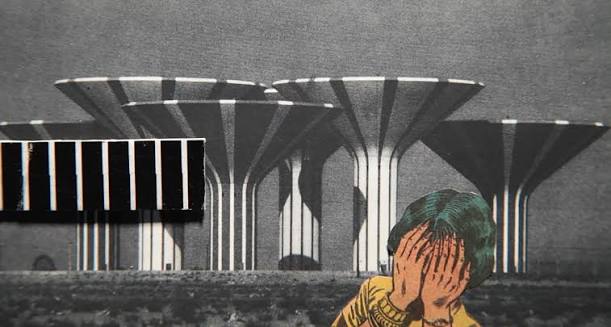
She Who Measures (2008, Dir. Veljko Popović, Croatia, 7 min.) – A dark, surreal vision of modern society’s consumerist myopia and our lack of control over our own destinies, this debut film offers a rather blunt message about the current fate of mankind.
Hunger (1974, Dir. Peter Foldes, Canada, 12 min.) – This Academy Award nominee from Canada is a dark tone piece about modern Western society’s insatiable greed and hunger for resources of all kinds and the potential consequences for us and for the rest of the world.
The Hole (1962, Dirs. John and Faith Hubley, U.S., 16 min) – An Academy Award winning short, this film is a free flowing conversation between two construction workers (voiced by Dizzy Gillespie and George Mathews) about accidental nuclear war.

From the August 19 Rooftop Cinema.
Dir. Veljko Popović, She Who Measures, 2008.