

Past Exhibitions
View the Exhibitions Archive for a list of exhibitions from 1979 to present.

Fashion Focus | imaginary i
December 16, 2023 – February 18, 2024
227 State Street Madison, WI, 53703
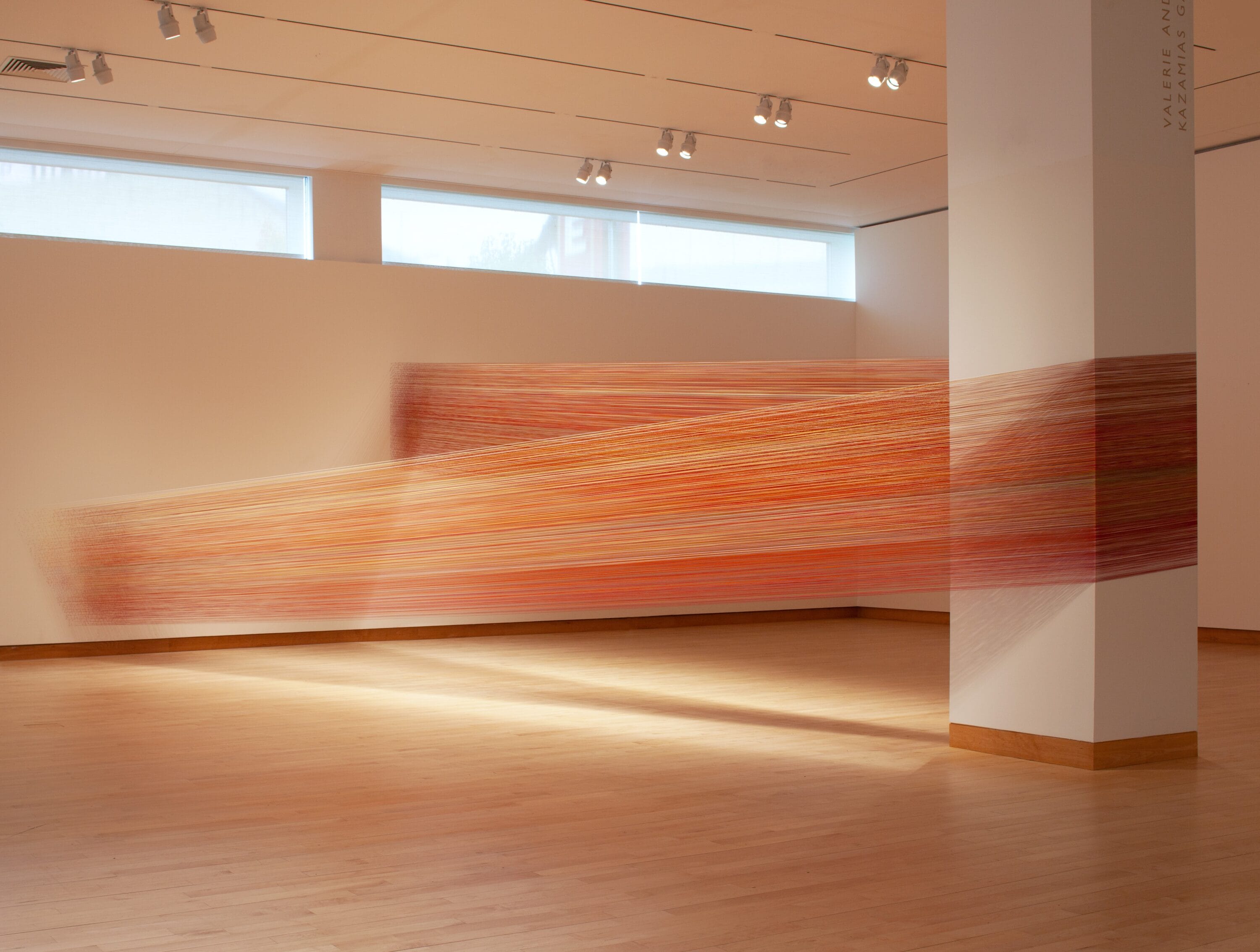

RECOLLECT: Sam Gilliam
August 10, 2023 – March 3, 2024
227 State Street Madison, WI, 53703
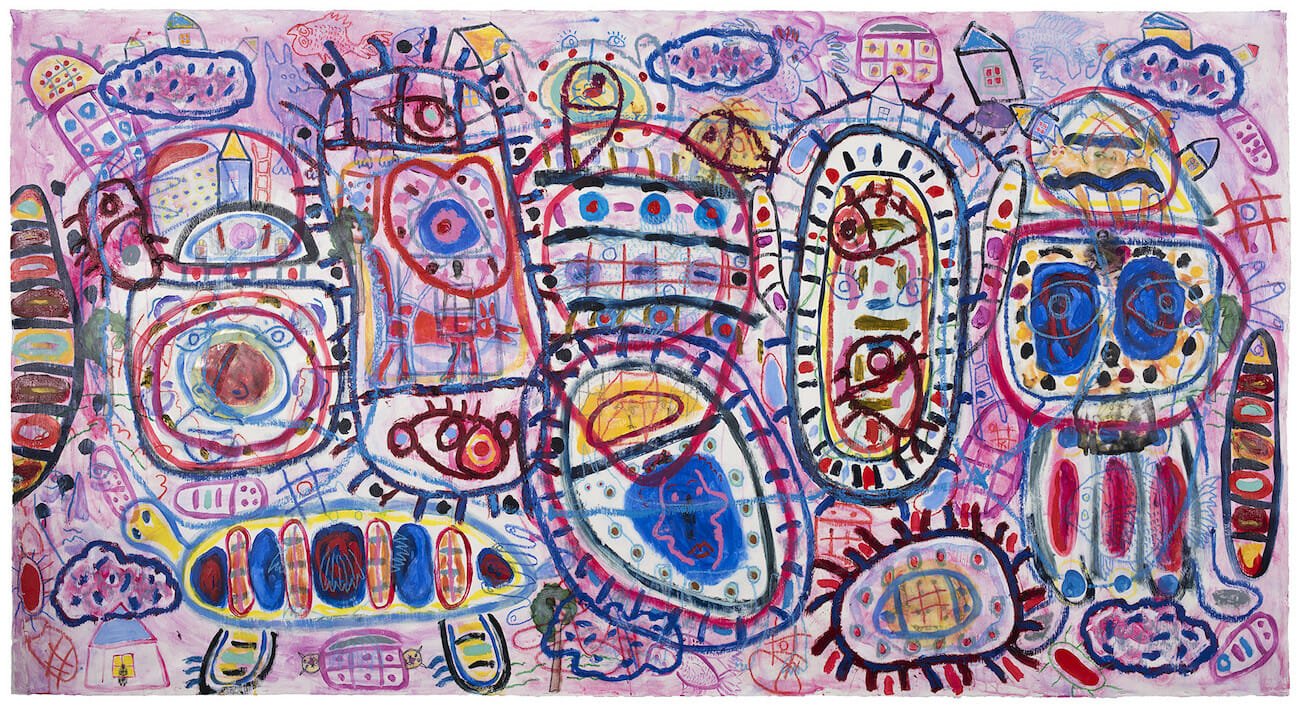
Floyd Newsum: Evolution of Sight
May 20, 2023 – October 8, 2023
227 State Street Madison, WI, 53703

Ava Wanbli: Sertraline Dolls
April 1, 2023 – October 8, 2023
227 State Street Madison, WI, 53703


Christina Ramberg: Vertical Amnesia
March 3, 2023 – July 16, 2023
227 State Street Madison, WI, 53703
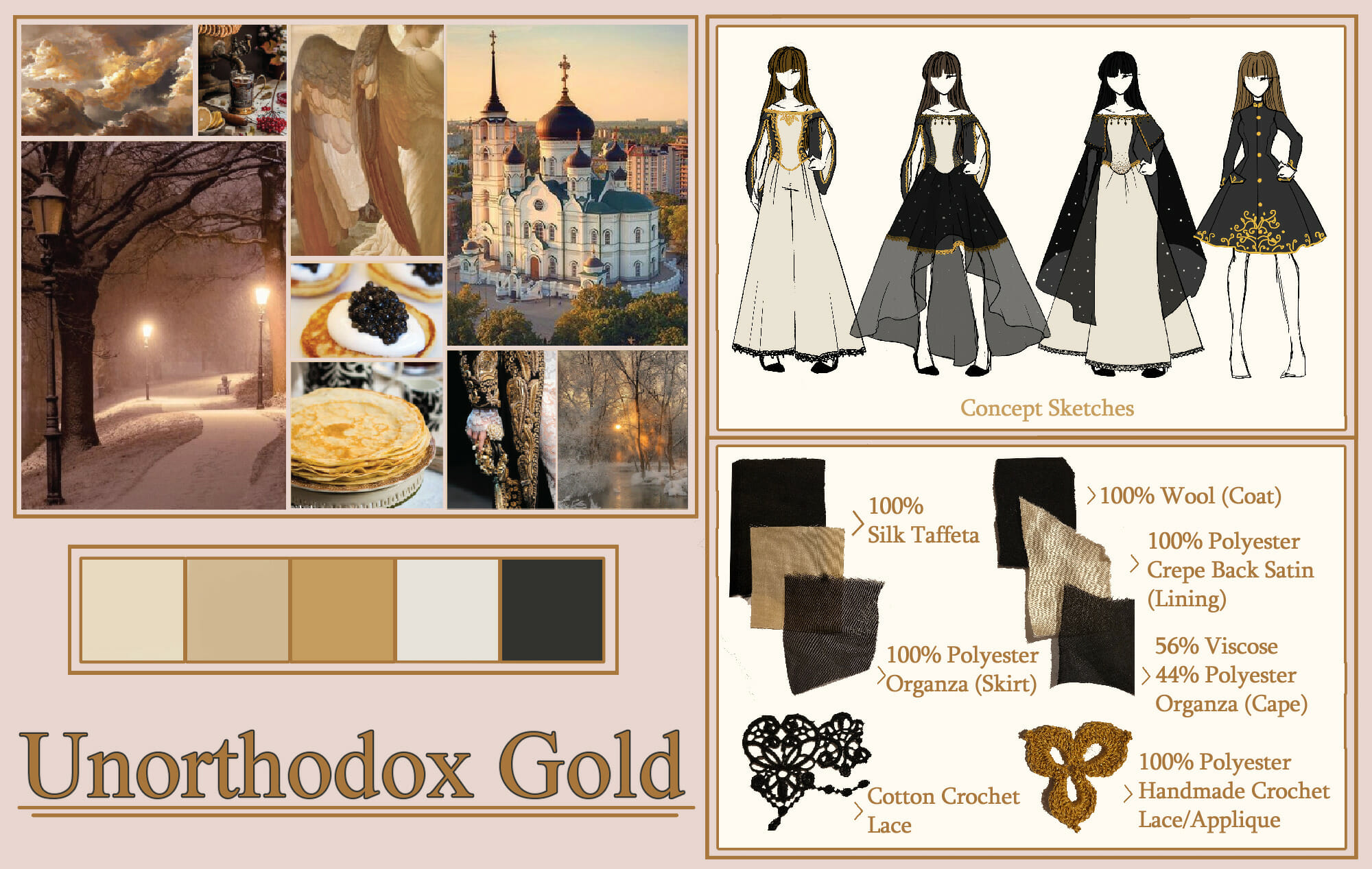
Fashion Focus | Home
December 17, 2022 – January 29, 2023
227 State Street Madison, WI, 53703

Wendy Red Star: Apsáalooke: Children of the Large-Beaked Bird
November 12, 2022 – February 26, 2023
227 State Street Madison, WI, 53703

SHAWNÉ MICHAELAIN HOLLOWAY: closeLISTENER(reverse, react, “desire”)
September 22, 2022 – March 12, 2023
227 State Street Madison, WI, 53703

Faisal Abdu’Allah: DARK MATTER
September 17, 2022 – April 2, 2023
227 State Street Madison, WI, 53703

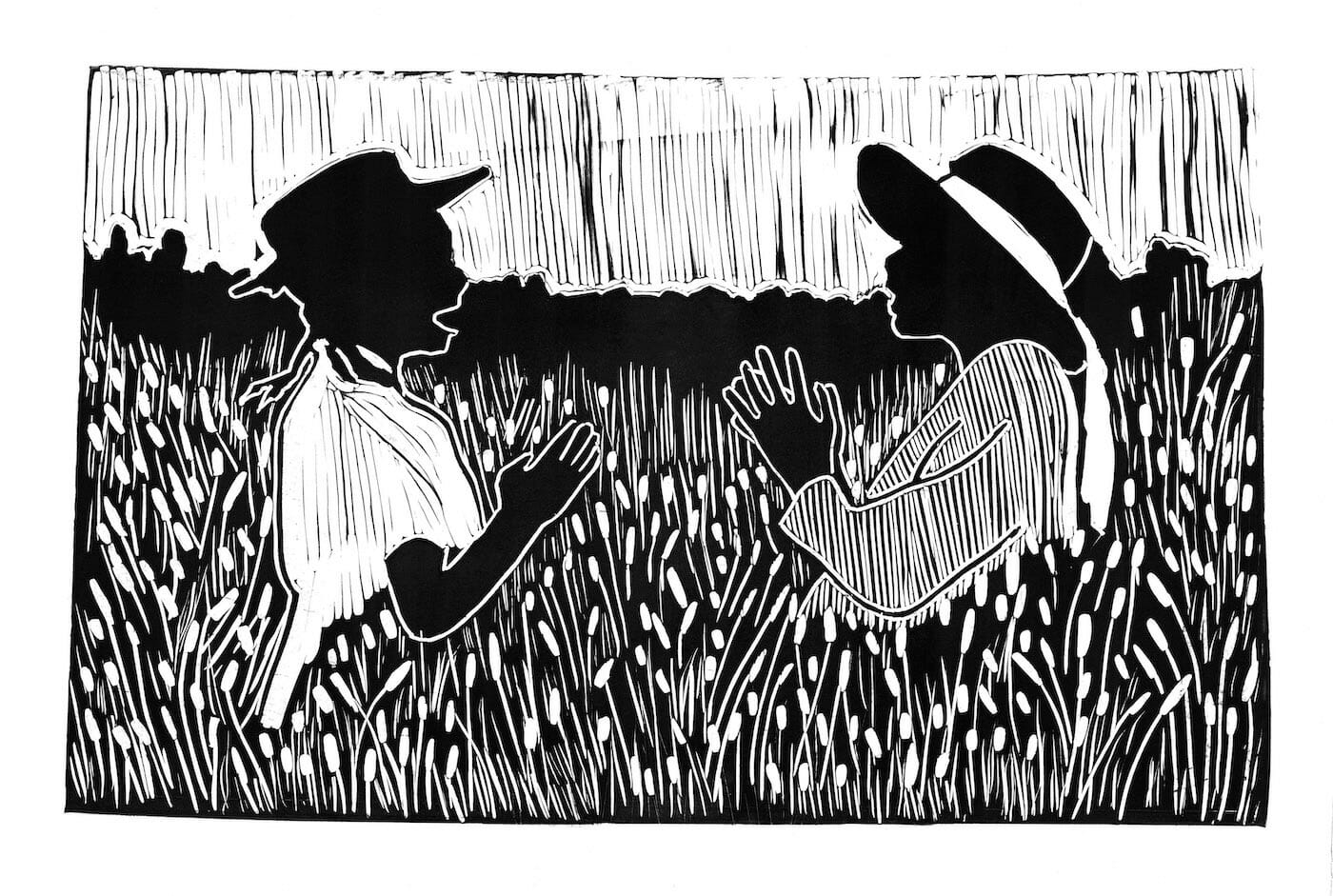
2022 Wisconsin Triennial: Ain’t I A Woman?
April 23, 2022 – October 9, 2022
227 State Street Madison, Wisconsin, 53703

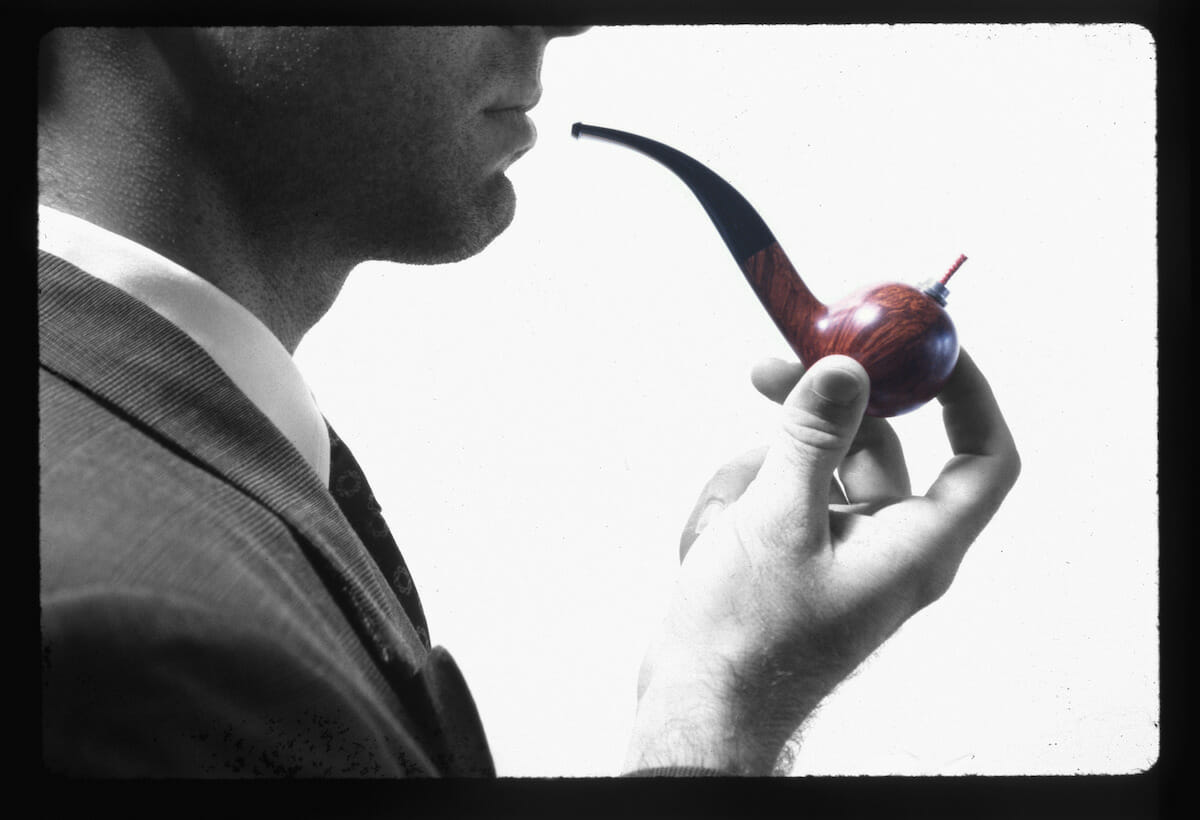
Mel Chin: There’s Something Happening Here
March 12, 2022 – July 31, 2022
227 State Street Madison, WI, 53703

Faisal Abdu’Allah: Blu³eprint
February 23, 2022 – April 2, 2023
227 State Street Madison, WI, 53703

The Fundred Project: Initiated by Mel Chin
January 8, 2022 – March 20, 2022
227 State Street Madison, WI, 53703
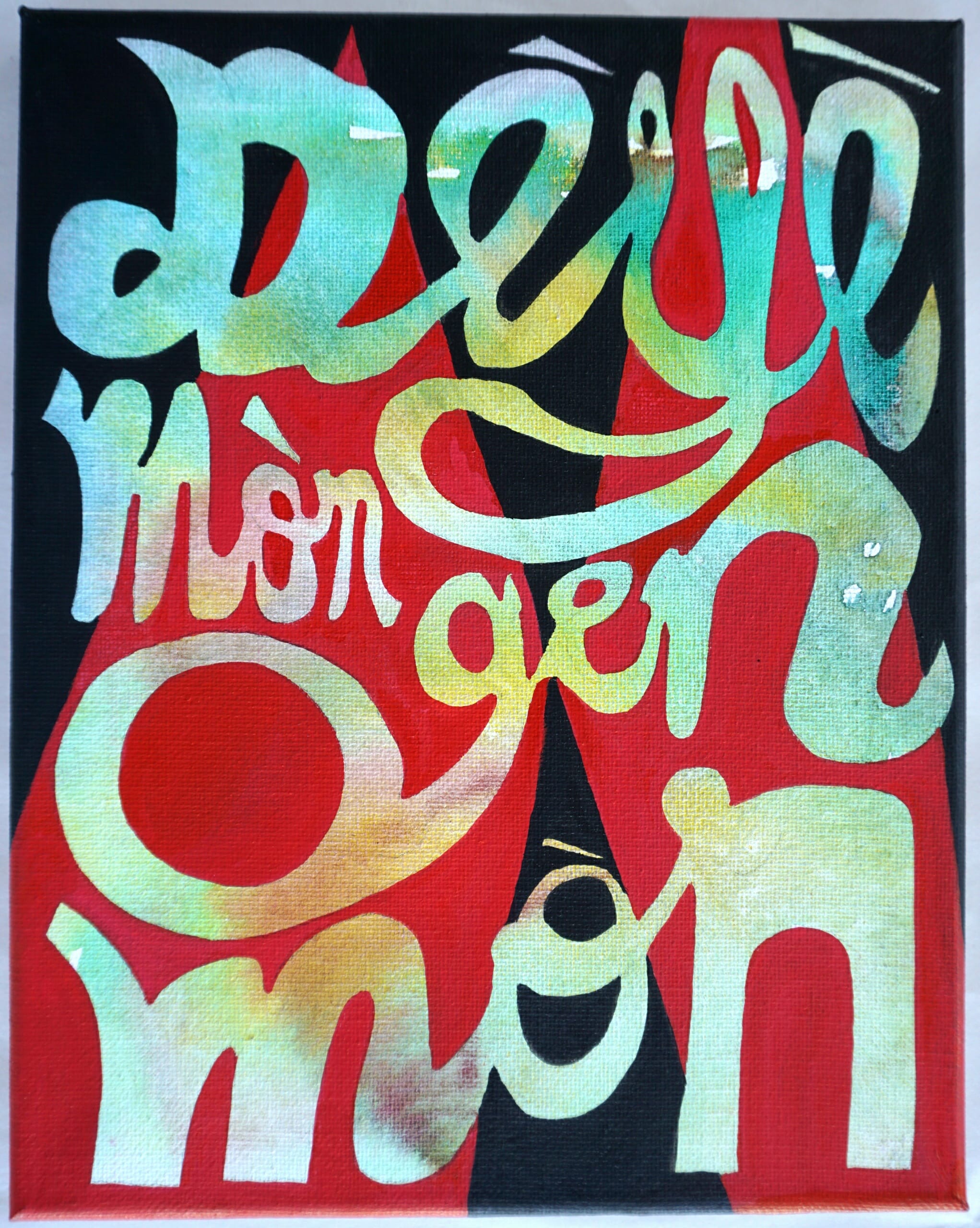
Santiago Cucullu: You still make me tremble
November 20, 2021 – March 20, 2022
227 State Street Madison, WI, 53703

Kenneth Tam: Silent Spikes
November 6, 2021 – February 27, 2022
227 State Street Madison, WI, 53703

Caja de visiones: arte moderno y contemporáneo de México en el Medio Oeste de los Estados Unidos
September 18, 2021 – January 23, 2022
227 State Street Madison, WI, 53703


AMENDS: Nick Cave and Bob Faust
June 19, 2021 – October 24, 2021
227 State Street Madison, WI, 53703

Natalie Frank: Unbound
June 5, 2021 – October 24, 2021
227 State Street Madison, Wisconsin, 53703

These Unruly and Ungovernable Selves: Michelle Handelman
April 24, 2021 – August 15, 2021
227 State Street Madison, WI, 53703

Alone Together: Perspectives on Isolation
April 3, 2021 – June 6, 2021
227 State Street Madison, WI, 53703
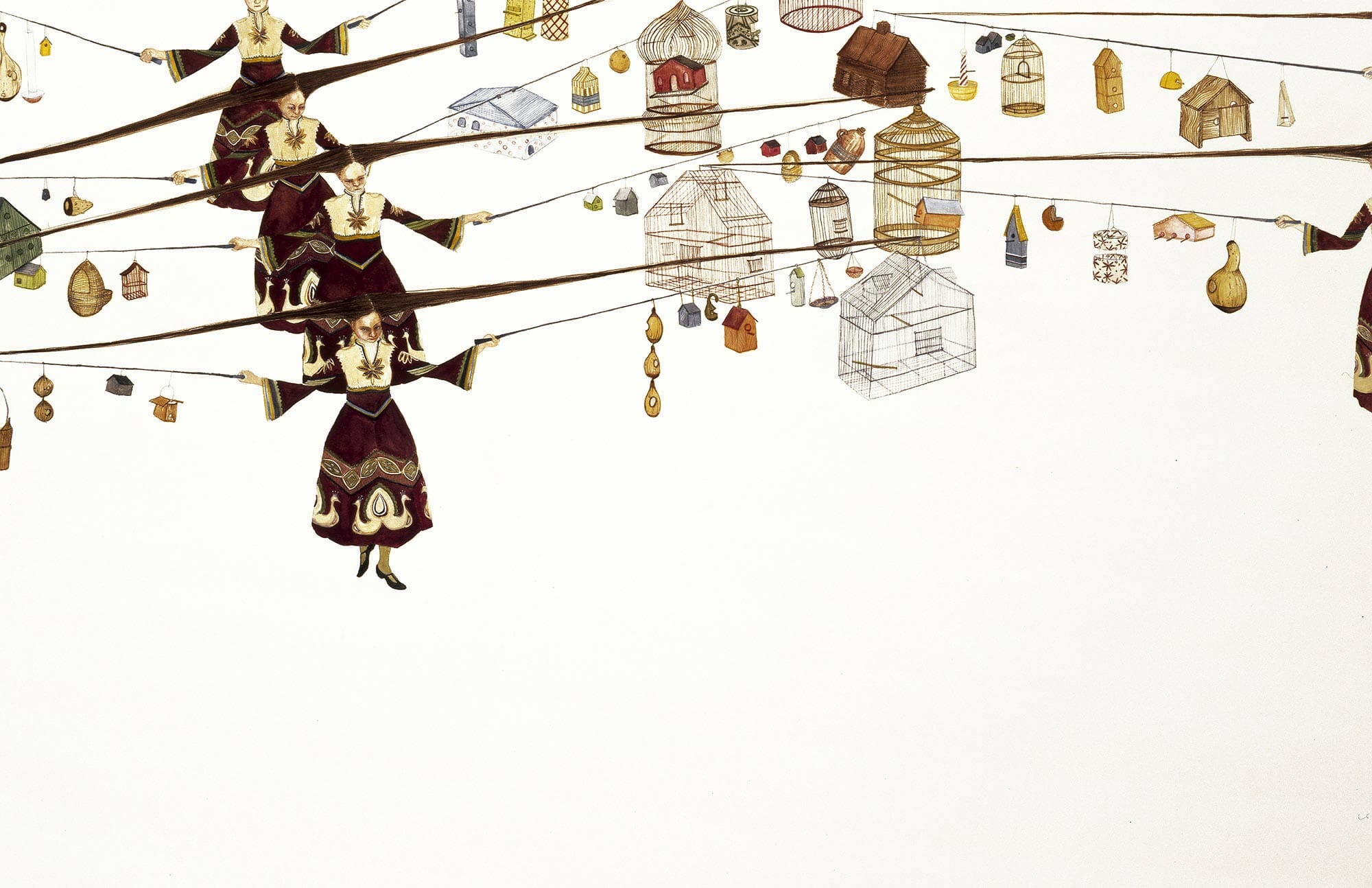
Amy Cutler: A Narrative Thread
March 12, 2021 – May 16, 2021
227 State Street Madison, WI, 53703

Terrence Adeyanju: Running in the Dark
February 23, 2021 – March 28, 2021
227 State Street Madison, WI, 53703

Patrick Martinez: Signs of the Times
January 23, 2021 – May 2, 2021
227 State Street Madison, WI, 53703

Full Circle: Acquisitions and Exhibitions 
November 14, 2020 – August 22, 2021
227 State Street Madison, WI, 53703

Jojin Van Winkle: The Destruction Project
October 17, 2020 – April 11, 2021
227 State Street Madison, WI, 53703

Jenny Holzer: YOUVOTE 2020
October 2, 2020 – November 4, 2020
227 State Street Madison, WI, 53703

Gladys Nilsson: Out of This World
August 6, 2020 – June 6, 2021
227 State Street Madison, WI, 53703

Santiago Cucullu: The Wandering Rocks
August 6, 2020 – March 21, 2022
227 State Street Madison, WI, 53703


Uncommon Accumulation: The Mark and Judy Bednar Collection of Chicago Imagism
March 14, 2020 – October 11, 2020
227 State Street Madison, WI, 53703


Wisconsin Triennial: 2019
October 19, 2019 – February 16, 2020
227 State Street Madison, WI, 53703
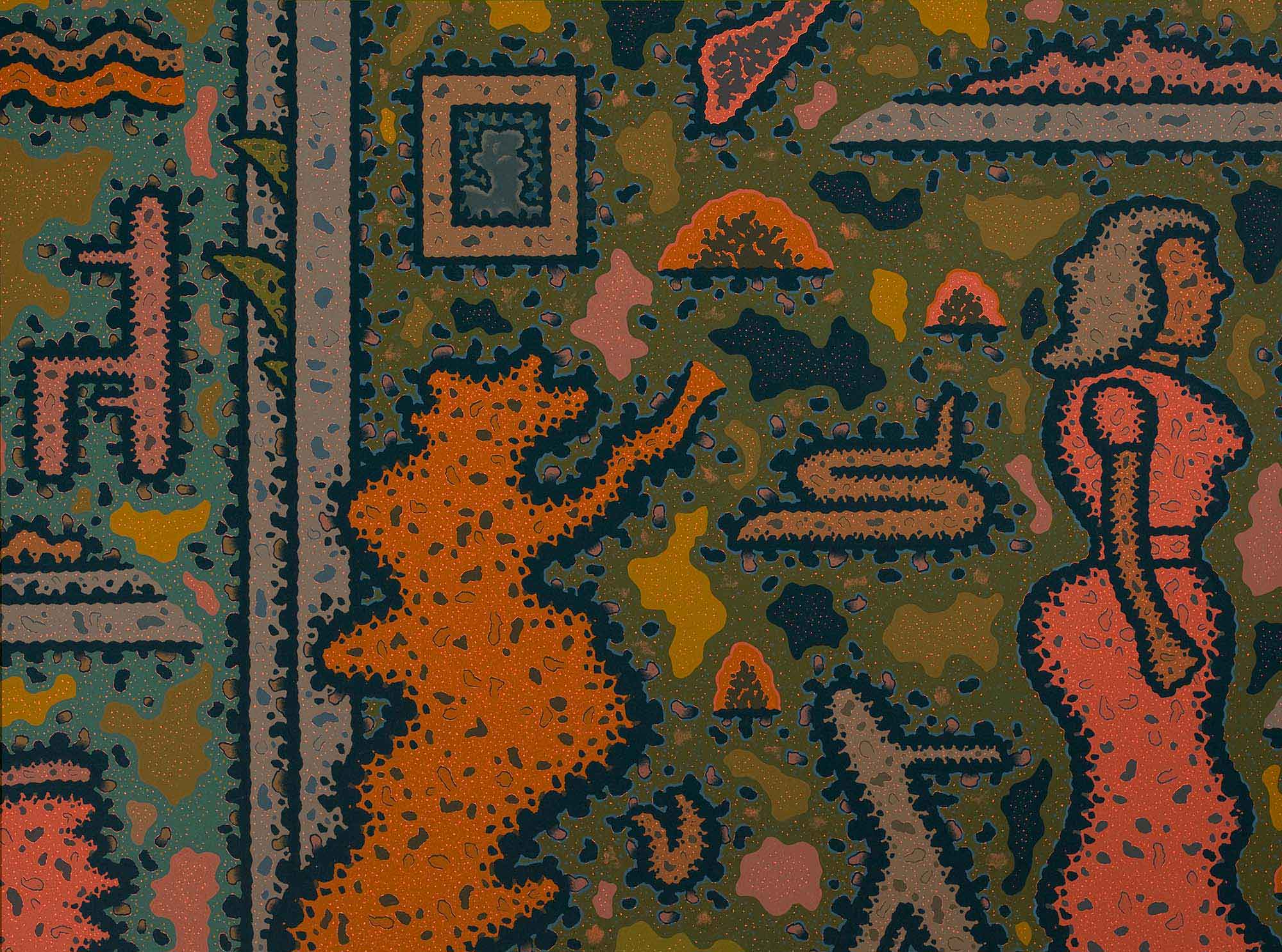
Ray Yoshida: The Spaces in Between
June 29, 2019 – June 14, 2020
227 State Street Madison, WI, 53703

Jeffrey Gibson: Like a Hammer
June 8, 2019 – September 15, 2019
227 State Street Madison, WI, 53703




The House of Sparkling Glasses: A Celluloid Experience by M.J. Paggie
June 2, 2018 – September 30, 2018


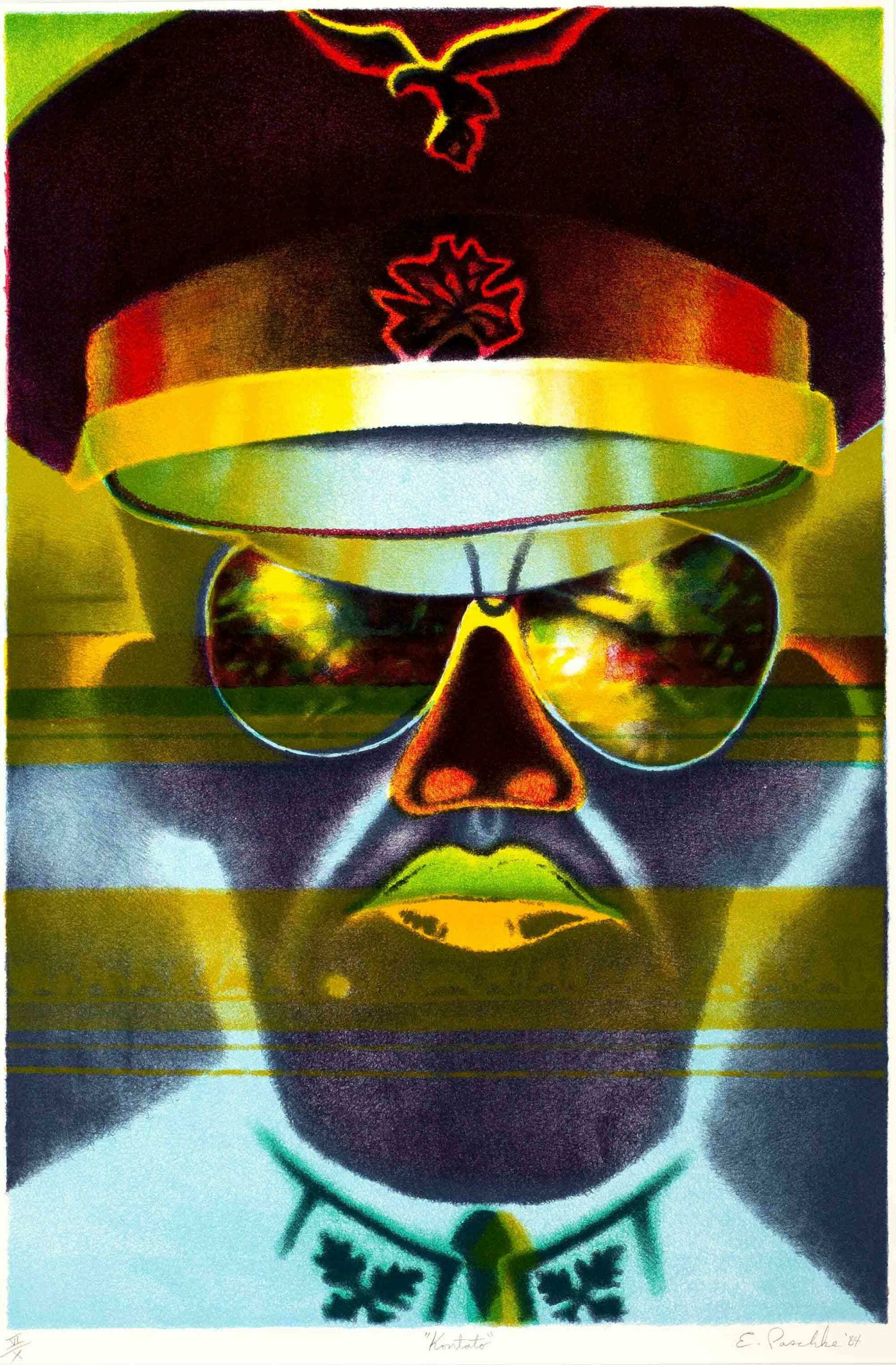


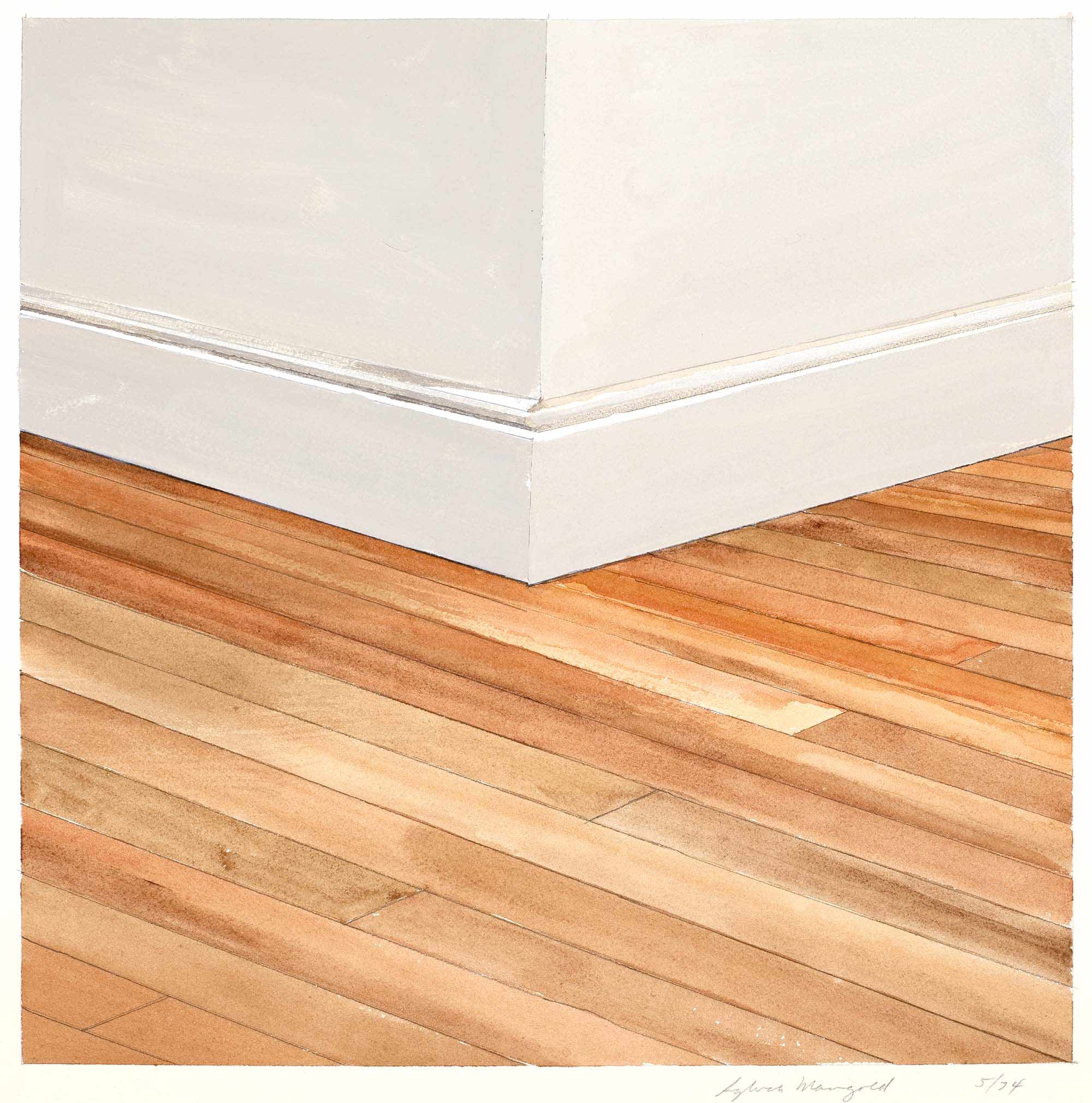
Reconfigured Reality: Contemporary Photography from the Permanent Collection
December 2, 2016 – November 12, 2017


All-Licensed Fool: Animation by Allison Schulnik and Wong Ping
April 29, 2016 – August 28, 2016


Kim Schoen: Have You Never Let Someone Else Be Strong?
September 19, 2015 – January 10, 2016




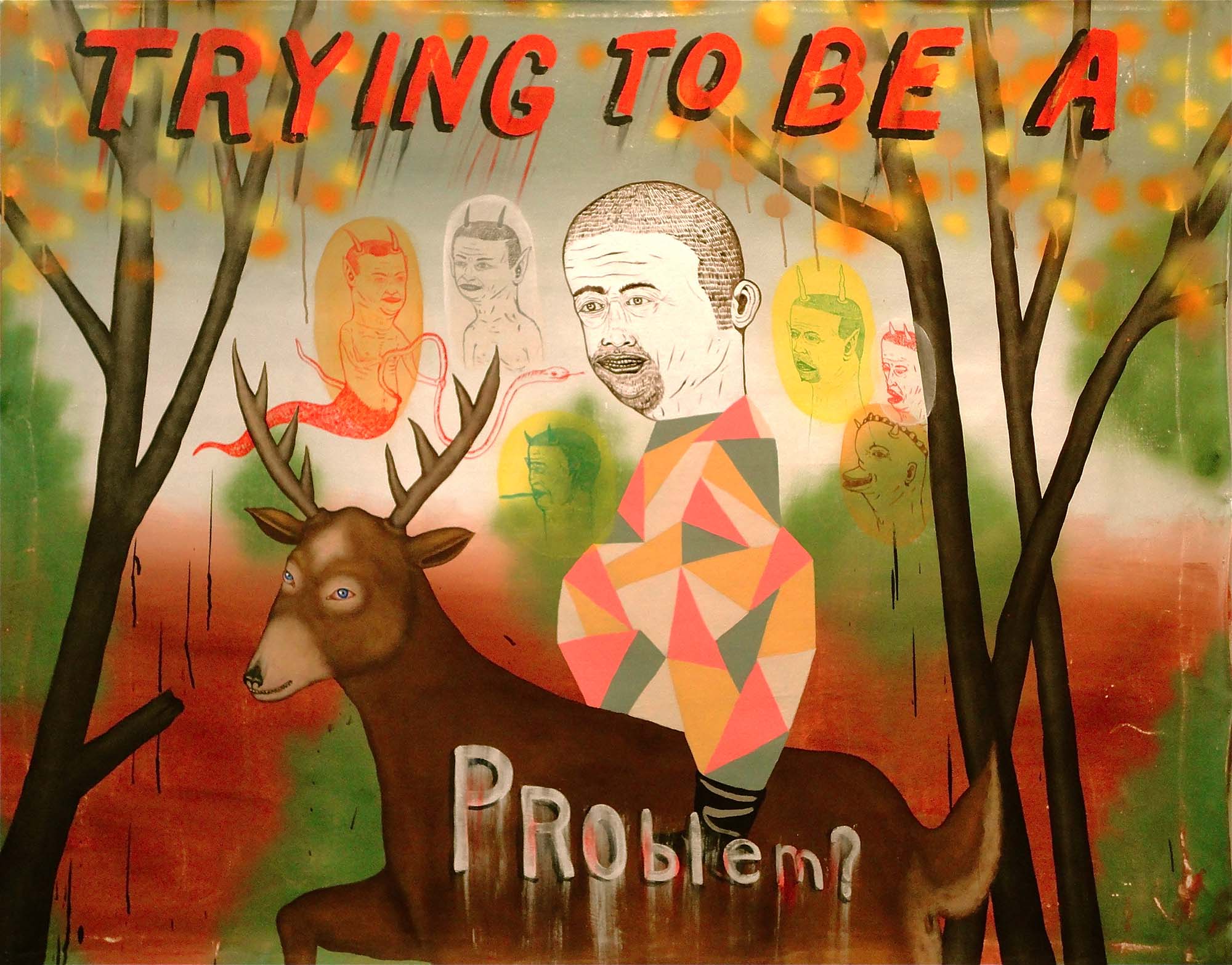


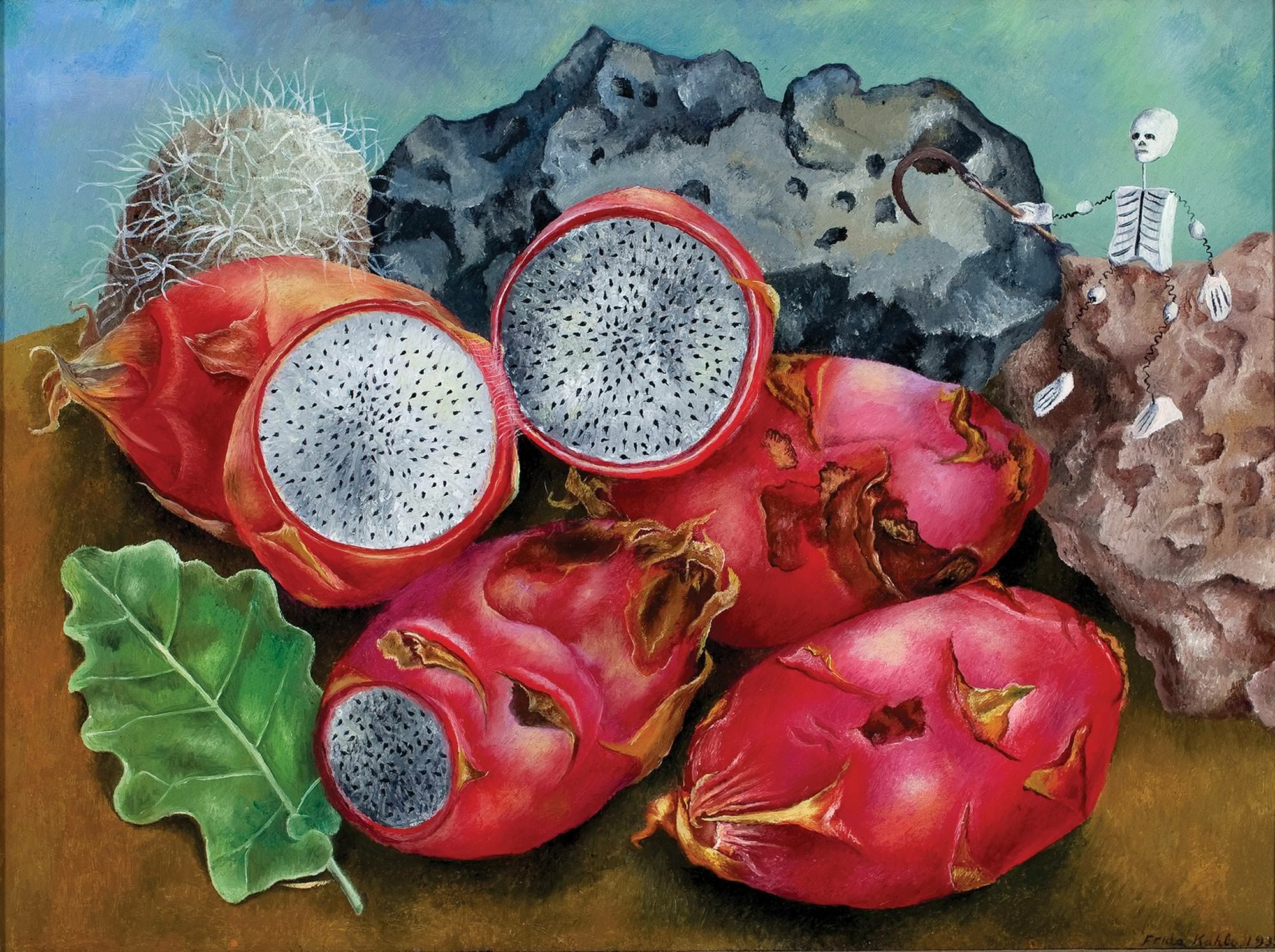
¡Tierra y Libertad! Revolution and the Modernist Mexican Print
January 14, 2012 – April 16, 2012

Chicago Imagists at the Madison Museum of Contemporary Art
September 11, 2011 – January 15, 2012


True Self: The Search for Identity in Modern and Contemporary Art
August 18, 2010 – June 30, 2011

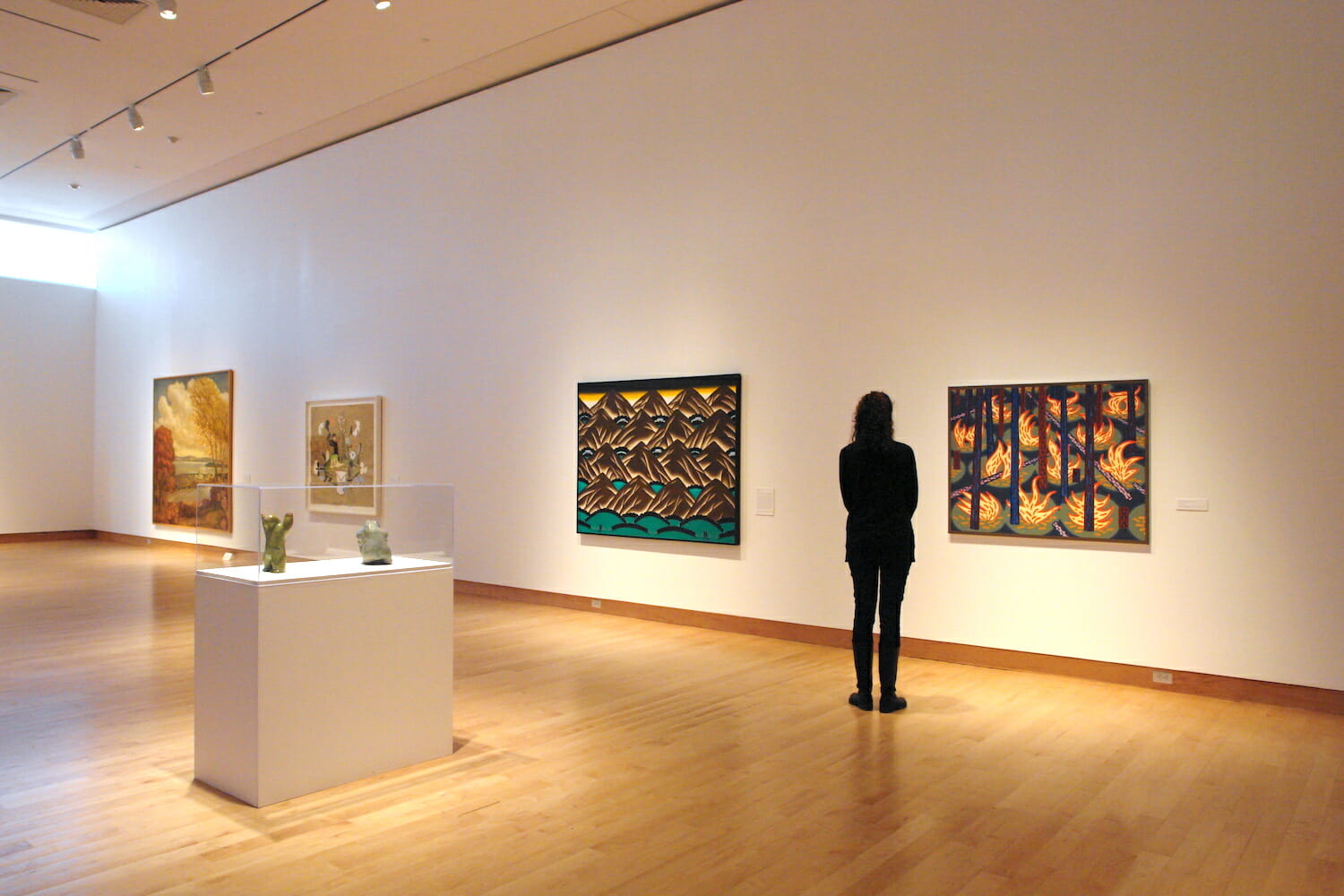
Apple Pie: Symbols of Americana in MMoCA’s Permanent Collection
January 23, 2010 – April 11, 2010

Cage and Cunningham: Chance, Time, and Concept in the Visual Arts
October 24, 2009 – May 9, 2010

From Nature: Realist Works in MMoCA’s Permanent Collection
July 25, 2009 – August 15, 2010


An Art of Inner Necessity: Expressionist Works from MMoCA’s Permanent Collection
July 18, 2008 – July 19, 2009
Girls and Company: Feminist Works from MMoCA’s Permanent Collection
May 24, 2008 – July 20, 2008


Altered Geometry: Contemporary Sculpture from MMoCA’s Collection
March 1, 2008 – May 18, 2008


Making Visible the Invisible: Abstract Art from MMoCA’s Permanent Collection
September 8, 2007 – July 13, 2008

Tim Laun: Sunday, September 20th, 1992¡Tierra y Libertad! Revolution and the Modernist Mexican Print
August 11, 2007 – November 11, 2007


In Depth: A Closer Look at MMoCA’s Permanent Collection
February 2, 2007 – April 15, 2007


Art on Site: Madison Museum of Contemporary Art at Olbrich Botanical Gardens
June 1, 2004 – May 31, 2005
La Vida en Marcha: Mexican Prints from the Permanent Collection
September 7, 2003 – January 4, 2004
Some Assemblage Required: Collage Culture in Post-War America
June 8, 2003 – August 24, 2003
Layered, Stitched, & Assembled: Works from the Permanent Collection
June 7, 2003 – August 17, 2003
State Street Gallery Project: Curtis Whaley and Gregg Perkins
September 15, 2002 – November 17, 2002
Jane Hammond: The John Ashbery Collaboration, 1993–2001
June 23, 2002 – September 1, 2002